
We all know the importance of breathing clean air, but did you know that the air inside your home can be up to five times more polluted than the air outside? If you’re on this natural living journey with me, I know how nerve-wracking this may feel. Poor indoor air quality can have a negative impact on your health, causing respiratory problems, allergies, and even more serious conditions like asthma and lung cancer. And if you have children in the home, this may be a big stressor for you. Trust me, I have also felt the urgency to immediately remove toxins from my life, but one thing I have learned over the years is I can’t do it all in one day. Nor is it always cost-effective! Good air purifiers are a pretty buck worth, and I have yet to invest in one. Soon though. In the meantime, here’s a breakdown of common toxins and what you can do about it.
Here are just some of the common toxins that can affect your indoor air quality:
- Formaldehyde: This colorless gas is commonly found in building materials like particleboard, plywood, and insulation. It’s also found in many household cleaning products, cosmetics, and cigarette smoke. Formaldehyde can cause irritation of the eyes, nose, and throat, as well as headaches, nausea, and dizziness. Long-term exposure to high levels of formaldehyde has been linked to an increased risk of cancer.
- Benzene: This chemical is a component of gasoline, plastics, and synthetic fibers and can also be found in cigarette smoke. It can cause dizziness, headaches, and confusion, and long-term exposure has been linked to an increased risk of leukemia and other blood cancers.
- Trichloroethylene: This toxic chemical is commonly found in solvents, adhesives, and cleaning products. It can cause headaches, dizziness, and confusion, and long-term exposure has been linked to an increased risk of liver and kidney damage, as well as cancer.
- Xylene: This chemical is a solvent found in many household products, including paints, varnishes, and adhesives. It can cause headaches, dizziness, and confusion, and long-term exposure has been linked to an increased risk of kidney and liver damage, as well as neurological problems.
- Toluene: This toxic chemical is commonly found in paints, paint thinners, and nail polish removers. It can cause headaches, dizziness, and nausea, and long-term exposure has been linked to an increased risk of neurological damage.
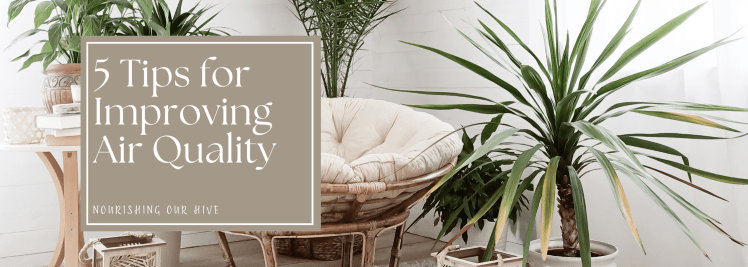
The presence of these toxins in our homes highlights the importance of taking steps to improve indoor air quality. So, what can you do to improve the air quality in your home? Adding air-purifying plants to our living spaces is a great cost-effective way to reduce our exposure to these harmful substances and promote a healthier living environment. Not only do they add a touch of nature to your home decor, but many plants are excellent at filtering out harmful toxins and pollutants from the air.
Here are some of the best houseplants for improving air quality:
- Spider Plant: This easy-to-grow plant is a top performer when it comes to removing toxins from the air. It’s particularly effective at removing formaldehyde, a common household chemical found in cleaning products and building materials.
- Peace Lily: Another great plant for removing formaldehyde, peace lilies also help to combat other indoor pollutants like benzene and trichloroethylene. Plus, they have a beautiful white flower that adds a touch of elegance to any room.
- Snake Plant: If you’re looking for a low-maintenance plant that can handle a little neglect, the snake plant is a great choice. It’s also excellent at removing toxins like benzene, formaldehyde, and xylene from the air.
- Bamboo Palm: Not only does this plant look beautiful, but it’s also a great air purifier. It’s especially effective at removing formaldehyde, benzene, and trichloroethylene.
- Boston Fern: This classic fern is great for removing a variety of indoor pollutants, including formaldehyde, xylene, and toluene. It’s also a great humidifier, which can help to improve your overall indoor air quality.
So, if you’re on a budget and can’t drop a huge chunk of money on an air purifier (you’ll likely need a few for your home depending on room sizes,) house plants are a fantastic and affordable way you can manage indoor pollution. Not only will they help to filter out harmful toxins and pollutants, but they’ll also add a touch of greenery and natural beauty to your home decor.
Resources
- Formaldehyde:
- Agency for Toxic Substances and Disease Registry (ATSDR). Toxicological Profile for Formaldehyde. 2019. https://www.atsdr.cdc.gov/toxprofiles/tp111.pdf
- International Agency for Research on Cancer (IARC). IARC Monographs on the Evaluation of Carcinogenic Risks to Humans. Volume 100F. Chemical Agents and Related Occupations. 2012. https://www.iarc.fr/wp-content/uploads/2018/07/Monographs-Vol100F-1.pdf
- Benzene:
- Agency for Toxic Substances and Disease Registry (ATSDR). Toxicological Profile for Benzene. 2019. https://www.atsdr.cdc.gov/toxprofiles/tp3.pdf
- International Agency for Research on Cancer (IARC). IARC Monographs on the Evaluation of Carcinogenic Risks to Humans. Volume 120. Benzene. 2018. https://www.iarc.fr/wp-content/uploads/2018/07/Monographs-Vol120-1.pdf
- Trichloroethylene:
- Agency for Toxic Substances and Disease Registry (ATSDR). Toxicological Profile for Trichloroethylene. 2014. https://www.atsdr.cdc.gov/toxprofiles/tp19.pdf
- International Agency for Research on Cancer (IARC). IARC Monographs on the Evaluation of Carcinogenic Risks to Humans. Volume 106. Tetrachloroethylene, Trichloroethylene, and Some Other Chlorinated Agents. 2014. https://www.iarc.fr/wp-content/uploads/2018/07/Monographs-Vol106-1.pdf
- Xylene:
- Agency for Toxic Substances and Disease Registry (ATSDR). Toxicological Profile for Xylene. 2007. https://www.atsdr.cdc.gov/toxprofiles/tp71.pdf
- World Health Organization (WHO). Concise International Chemical Assessment Document 71. Xylenes. 2006. https://www.who.int/ipcs/publications/cicad/cicad71.pdf
- Toluene:
- Agency for Toxic Substances and Disease Registry (ATSDR). Toxicological Profile for Toluene. 2017. https://www.atsdr.cdc.gov/toxprofiles/tp56.pdf
- World Health Organization (WHO). Concise International Chemical Assessment Document 52. Toluene. 2003. https://www.who.int/ipcs/publications/cicad/en/cicad52.pdf
These references provide detailed information on the toxicology and health effects of each of these chemicals and can be useful resources for those interested in learning more about the potential risks associated with indoor air pollution.
 Victoria Naturally